

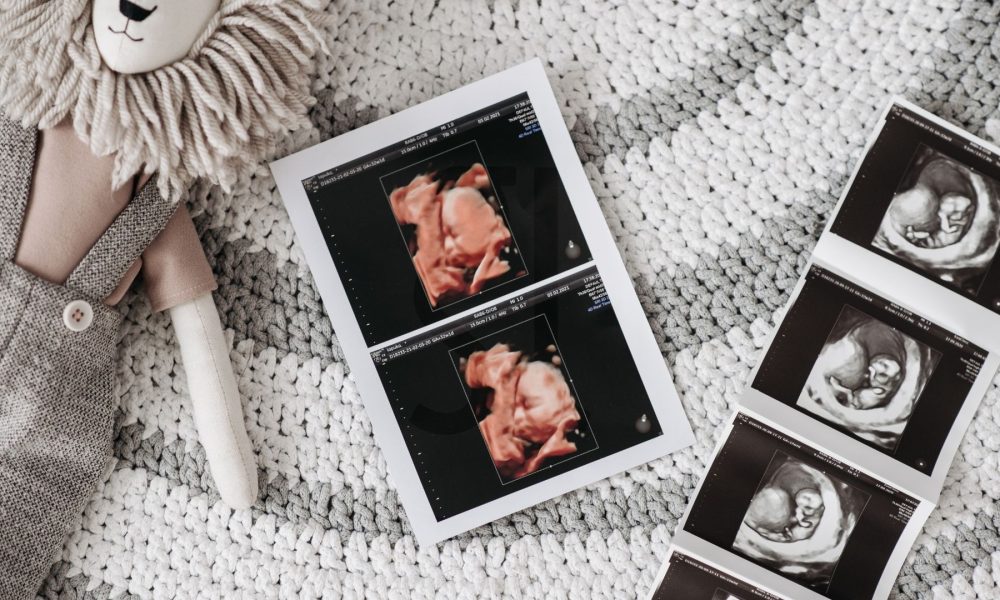
Recurrent pregnancy loss (RPL) means losing two or more clinically recognized pregnancies before 20 weeks. Causes include genetic, anatomical, hormonal, immunological, and clotting factors, though about half of cases remain unexplained. Testing guides treatment; IVF with PGT-A can help by screening embryos for chromosomal abnormalities before transfer.
What Recurrent Pregnancy Loss Means
Losing a pregnancy once is painful enough. When it happens again, many people search for a name for what they are going through and a reason it keeps happening. Recurrent pregnancy loss, often abbreviated as RPL, generally refers to the loss of two or more clinically recognized pregnancies before twenty weeks of gestation. Some clinical definitions require the losses to be consecutive, while others count non-consecutive losses as well. Definitions vary slightly between medical societies, which is one reason it can feel confusing when researching this topic online.
If this describes your experience, it is worth saying plainly that recurrent pregnancy loss is not something you caused, and it is not something you should have to carry alone. It is a recognized medical condition with a structured approach to investigation, and while not every case reaches a clear answer, many people who experience RPL go on to have successful pregnancies, sometimes without any treatment at all, and sometimes with the help of targeted care.
Common Causes of Recurrent Miscarriage
There is no single cause of recurrent pregnancy loss. Instead, clinicians look at several categories of possible contributors, and in many couples more than one factor may be present.
Chromosomal Issues in the Embryo
Chromosomal abnormalities in the embryo are among the most frequently identified causes of early miscarriage, including in recurrent cases. These abnormalities usually arise spontaneously during egg or sperm cell division rather than being inherited, and their likelihood increases with maternal age. In a smaller number of cases, one partner carries a balanced chromosomal rearrangement that does not affect their own health but can lead to unbalanced chromosomes in embryos.
Uterine and Anatomical Factors
The shape and structure of the uterus can play a role in pregnancy loss. Conditions such as a uterine septum, fibroids that distort the uterine cavity, scar tissue from previous procedures, or an irregularly shaped uterus present from birth may interfere with implantation or with a pregnancy’s ability to continue growing.
Hormonal and Thyroid Factors
Thyroid dysfunction, whether underactive or overactive, and conditions such as poorly controlled diabetes or elevated prolactin levels have been associated with pregnancy loss. These are generally identifiable through blood testing and are often manageable once diagnosed.
Antiphospholipid Syndrome and Clotting Factors
Antiphospholipid syndrome is an autoimmune condition in which the body produces antibodies that increase the risk of blood clotting and are linked to recurrent miscarriage. It is one of the few causes of RPL with a well-established diagnostic test and treatment pathway. The evidence for other inherited clotting disorders playing a role in recurrent loss is more mixed, and testing for these is not universally recommended by all professional bodies.
Unexplained Causes
Even after a thorough workup, a substantial proportion of couples receive no clear explanation for their losses. This is one of the most difficult aspects of RPL to sit with, but it is important to know that an unexplained cause does not mean there is no path forward. Many people in this situation go on to carry a pregnancy successfully in the future.
The RPL Testing and Workup Process
A structured evaluation typically begins after two or more losses, though some clinicians will begin investigations sooner depending on individual history, age, or prior fertility treatment. A fertility specialist will usually take a detailed medical and family history before recommending specific tests.
- Parental karyotyping, a blood test for both partners to check for balanced chromosomal rearrangements
- Uterine imaging, such as a pelvic ultrasound, saline sonogram, or hysteroscopy, to assess the shape and cavity of the uterus
- Blood tests for antiphospholipid antibodies to screen for antiphospholipid syndrome
- Thyroid function tests and screening for other hormonal imbalances such as prolactin or blood sugar regulation
- In some cases, testing of miscarriage tissue for chromosomal abnormalities, when available
Not every test is appropriate for every patient, and a good specialist will tailor the workup rather than running every possible test by default. It is also worth knowing that some tests occasionally proposed for RPL, such as certain immune panels or inherited thrombophilia screens, have limited or inconsistent evidence supporting their use, and this should be discussed openly with your clinician.
How IVF and PGT-A May Help
For couples where chromosomal issues in the embryo are suspected as a contributing factor, in vitro fertilization combined with preimplantation genetic testing for aneuploidy, known as PGT-A, is one option that may be discussed. This process involves creating embryos through IVF and testing a small sample of cells from each embryo for chromosomal abnormalities before a single embryo is chosen for transfer.
The aim of PGT-A in the context of recurrent pregnancy loss is to reduce the chance of transferring an embryo with a chromosomal abnormality that would be unlikely to result in an ongoing pregnancy. It is important to understand that PGT-A does not guarantee a successful pregnancy or a live birth, and studies on its overall benefit for RPL specifically report mixed results depending on the population studied and the age of the patient. It is one tool among several, not a universal solution, and its suitability varies by individual circumstances.
Where a uterine anatomical issue is identified, surgical correction, such as removal of a uterine septum or fibroid, may be recommended before attempting pregnancy again, whether through IVF or naturally. Where antiphospholipid syndrome is diagnosed, treatment protocols involving blood-thinning medication during pregnancy are well established and have supporting evidence. Where thyroid or hormonal imbalances are found, correcting these before conception is standard practice.
Frequently Asked Questions
How many losses count as recurrent pregnancy loss?
Most definitions use two or more clinically recognized pregnancy losses, though some organizations specify three. Many specialists will begin an initial evaluation after two losses, particularly for patients over a certain age or with other risk factors.
Does having recurrent pregnancy loss mean I will not be able to carry a pregnancy?
No. Many people with a history of recurrent pregnancy loss go on to have a successful pregnancy, whether or not a clear cause is found. Outcomes vary by age and individual factors, and a fertility specialist can help outline realistic expectations based on your specific history.
Is IVF always recommended after recurrent pregnancy loss?
No. IVF is one option among several, and it is generally considered when there is a specific indication, such as suspected embryo chromosomal issues, or when other fertility factors are also present. Many cases of RPL are managed through targeted treatment of an identified cause rather than IVF.
You Are Not Alone in This
Recurrent pregnancy loss is emotionally exhausting, and the uncertainty of not always having a clear answer can feel especially hard to carry. A careful, individualized workup can identify a cause in many cases, and even when it cannot, that does not close the door on future pregnancy. If you have experienced repeated losses, speaking with a fertility specialist about testing and next steps can help you understand your options and move forward with a clearer plan. The team at GynoLife IVF Center in Cyprus is available to discuss your history, review appropriate testing, and talk through whether IVF or other approaches may be right for your situation.
Frequently Asked Questions
How many miscarriages count as recurrent pregnancy loss?
What tests are done after recurrent miscarriages?
Can IVF help prevent another miscarriage?
Exercise During IVF: What’s Safe and.
Can you exercise during IVF? A phase-by-phase guide to safe workouts during stimulation, egg retrieval, embryo transfer, and the two-week.
Read More Beta hCG After IVF: Understanding Your.
Beta hCG After IVF: Understanding Your Pregnancy Test Results The days between your embryo transfer and your first blood test.
Read More


