

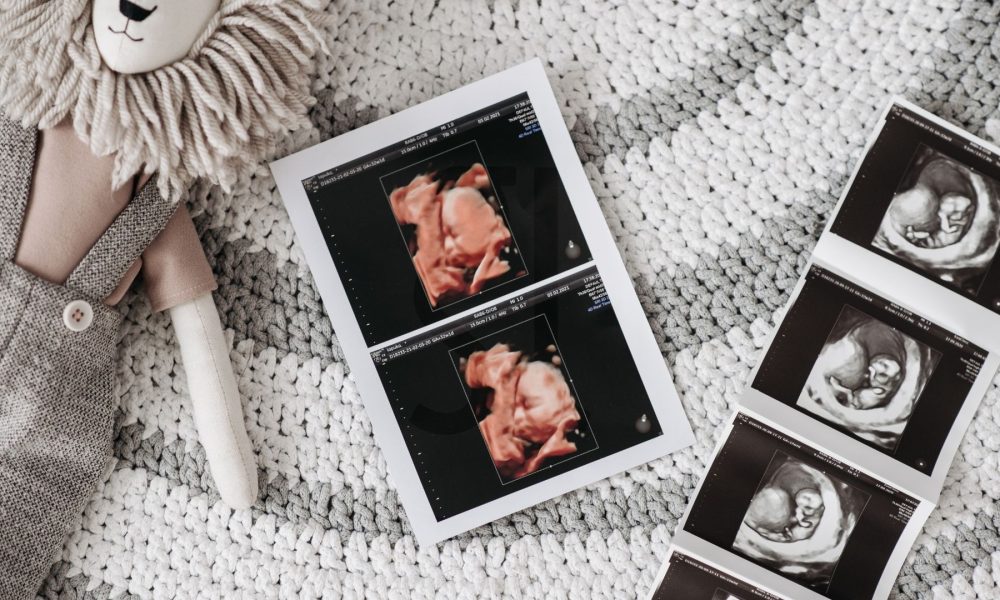
IVF with egg donation uses a screened donor's eggs, fertilized with sperm and transferred to the recipient's uterus. The recipient carries and delivers the baby. It offers among the highest success rates in fertility treatment, especially for women with diminished ovarian reserve or failed prior IVF cycles.
IVF with Egg Donation: A Complete Guide for 2026
For many individuals and couples, IVF with egg donation offers a path to parenthood when other fertility treatments have been unsuccessful or are not suitable. Egg donation has become one of the most effective forms of assisted reproduction, with success rates that are among the highest in the entire field of reproductive medicine. At GynoLife IVF Center in Cyprus, we operate one of the most comprehensive and successful egg donation programs in the region, helping patients from around the world achieve their dream of having a family.
This in-depth guide explains everything you need to know about IVF with egg donation in 2026, including who can benefit from the treatment, how the process works, what to expect during your journey, and why Cyprus is an ideal destination for this type of fertility care.
What Is IVF with Egg Donation?
IVF with egg donation is a fertility treatment in which eggs from a healthy, carefully screened donor are fertilized with sperm (from the recipient’s partner or a sperm donor) to create embryos, which are then transferred to the recipient’s uterus. The recipient carries the pregnancy and gives birth, forming a biological connection to the child through pregnancy and birth, even though the egg comes from a donor.
This treatment is distinct from standard IVF, in which a woman uses her own eggs. Egg donation is recommended when a patient’s own eggs are unlikely to result in a successful pregnancy due to age, diminished ovarian reserve, genetic concerns, or other medical factors.
Who Is a Candidate for IVF with Egg Donation?
Egg donation may be recommended in a variety of clinical scenarios. Common indications include:
Advanced Maternal Age
As women age, the quantity and quality of their eggs decline, particularly after age 40. While some women over 40 can conceive with their own eggs, many experience repeated IVF failures or miscarriages due to the high rate of chromosomal abnormalities in their embryos. Egg donation provides an alternative that bypasses this limitation, as donor eggs come from young, healthy women with excellent egg quality.
Premature Ovarian Insufficiency (POI)
Some women experience a significant decline or loss of ovarian function before the age of 40, a condition known as premature ovarian insufficiency. For these patients, egg donation may be the only viable path to a biological pregnancy.
Previous Failed IVF Cycles
Patients who have undergone multiple IVF cycles with poor embryo quality or repeated implantation failure may benefit from switching to donor eggs, particularly if their own egg quality is identified as the limiting factor.
Genetic Concerns
Women who carry genetic conditions that they do not wish to pass on to their children may choose egg donation as an alternative to preimplantation genetic testing, especially if the genetic concern affects a large proportion of their embryos.
Absent or Non-Functional Ovaries
Women who have had their ovaries surgically removed, who were born without ovaries, or whose ovaries were damaged by chemotherapy or radiation therapy require donor eggs to achieve pregnancy.
Same-Sex Male Couples and Single Men
Egg donation combined with gestational surrogacy provides a pathway to parenthood for same-sex male couples and single men who wish to have a biological child.
How Does the Egg Donation Process Work?
The egg donation process at GynoLife IVF Center involves several carefully coordinated stages designed to maximize the chances of a successful outcome.
Donor Selection and Screening
Choosing the right egg donor is a critical step. At GynoLife, all egg donors undergo an extensive screening process that includes:
- Medical history review: A thorough evaluation of the donor’s personal and family medical history to rule out hereditary conditions.
- Physical examination: A complete physical exam including gynecological assessment.
- Blood tests: Comprehensive blood work including hormone levels, blood type, infectious disease screening (HIV, hepatitis B and C, syphilis, etc.), and genetic carrier screening.
- Psychological evaluation: All donors undergo psychological assessment to ensure they are emotionally prepared for the donation process and understand its implications.
- Genetic screening: Donors are tested for common genetic carrier conditions to minimize the risk of passing inherited disorders to the offspring.
Our donor pool includes women aged 20 to 30 who have demonstrated good ovarian reserve and overall health. Recipients can select a donor based on physical characteristics such as height, weight, hair color, eye color, ethnicity, and educational background. All donations at our clinic are anonymous, in accordance with Cyprus regulations, ensuring privacy for both donors and recipients.
Synchronization and Preparation
Once a donor is selected, the treatment cycles of the donor and recipient are synchronized. The donor undergoes ovarian stimulation to produce multiple eggs, while the recipient takes estrogen and progesterone medications to prepare her endometrial lining for embryo implantation. Careful synchronization ensures that the recipient’s uterus is optimally prepared by the time embryos are ready for transfer.
Egg Retrieval and Fertilization
The donor undergoes an egg retrieval procedure, during which mature eggs are collected from her ovaries. The eggs are then fertilized in the laboratory using ICSI (intracytoplasmic sperm injection) with sperm from the recipient’s partner or a sperm donor. ICSI is the preferred fertilization method in egg donation cycles because it ensures the highest fertilization rates.
Embryo Culture and Optional Genetic Testing
The resulting embryos are cultured in the laboratory for five to six days until they reach the blastocyst stage. During this time, embryologists carefully monitor their development using time-lapse imaging technology. If desired, preimplantation genetic testing (PGT-A) can be performed to screen embryos for chromosomal abnormalities before transfer.
Embryo Transfer
The highest-quality embryo is selected and transferred to the recipient’s uterus in a simple, painless procedure guided by ultrasound. In most cases, a single embryo transfer is recommended, as the high quality of donor eggs means that the implantation rate per embryo is excellent. Any remaining high-quality embryos can be vitrified (frozen) for future use.
Success Rates for IVF with Egg Donation
One of the most compelling aspects of IVF with egg donation is its consistently high success rates. Because donor eggs come from young, healthy women, the age-related decline in egg quality that affects many IVF patients is effectively eliminated. In 2026, the average success rates for IVF with egg donation at leading clinics are:
- Clinical pregnancy rate per transfer: 65% to 75%
- Live birth rate per transfer: 55% to 65%
- Cumulative success rate after two transfers: 80% to 90%
These rates are significantly higher than those for standard IVF using own eggs in women over 38, making egg donation one of the most effective fertility treatments available. At GynoLife IVF Center, our egg donation program consistently achieves results at the higher end of these ranges, reflecting the quality of our donor screening, laboratory standards, and clinical expertise.
Emotional and Psychological Aspects of Egg Donation
The decision to use donor eggs is a deeply personal one, and it is natural to experience a range of emotions throughout the process. Many patients initially feel a sense of loss or grief over not being able to use their own eggs. Others may have concerns about bonding with a child who is not genetically related to them. These feelings are completely normal and valid.
Research consistently shows that the vast majority of parents who conceive through egg donation report strong bonds with their children and no regret about their decision. The experience of pregnancy, birth, and parenting creates powerful connections that transcend genetics. Furthermore, epigenetic research has revealed that the uterine environment during pregnancy can actually influence gene expression in the developing child, meaning that the birth mother plays a more significant biological role than previously understood.
At GynoLife IVF Center, we encourage patients to take the time they need to process their emotions and make informed decisions. Our team includes counselors experienced in fertility-related issues who can provide support and guidance throughout the process.
Legal and Ethical Considerations in Cyprus
Cyprus provides a well-regulated and patient-friendly legal framework for egg donation. Key aspects of the legal environment include:
- Anonymous donation: All egg donations in Cyprus are anonymous, meaning that the identity of the donor is not disclosed to the recipient, and vice versa.
- No genetic link requirement: Both married and unmarried couples, as well as single women, can access egg donation treatment in Cyprus.
- Donor compensation: Donors receive fair compensation for their time and commitment, which is regulated to ensure ethical practices.
- Parental rights: The recipient mother is the legal parent of the child, with full parental rights from birth.
Why Choose GynoLife for Egg Donation?
- Extensive donor database: We maintain a diverse pool of carefully screened donors, ensuring that recipients can find a donor who closely matches their preferences.
- No waiting lists: Unlike many clinics in other countries, we can typically match patients with a suitable donor quickly, minimizing delays.
- Comprehensive screening: Our donor screening process exceeds regulatory requirements, providing maximum safety and peace of mind.
- Experienced team: Our fertility specialists and embryologists have extensive experience in managing egg donation cycles and optimizing outcomes.
- Affordable pricing: Egg donation treatment in Cyprus is significantly more affordable than in Western Europe or North America, without compromising on quality.
- Full support: From donor selection to post-transfer care, our team provides comprehensive support at every stage.
Begin Your Egg Donation Journey
IVF with egg donation has helped millions of individuals and couples worldwide build the families they have always dreamed of. If you are considering egg donation as a path to parenthood, the team at GynoLife IVF Center is here to guide you with expertise, compassion, and the highest standards of care.
Contact us today for a free consultation and take the first step toward your family.
Frequently Asked Questions
Will the baby be genetically related to me if I use a donor egg?
Who is a good candidate for IVF with egg donation?
How are egg donors screened at GynoLife IVF in Cyprus?
What Is a Blighted Ovum (Anembryonic.
What is a blighted ovum (anembryonic pregnancy), what causes it, how is it recognised and what does it mean in.
Read More IVF Step by Step: Your Complete.
Understanding the IVF Process Step by Step: What to Expect at Each Stage Starting IVF can feel overwhelming when you.
Read More


