

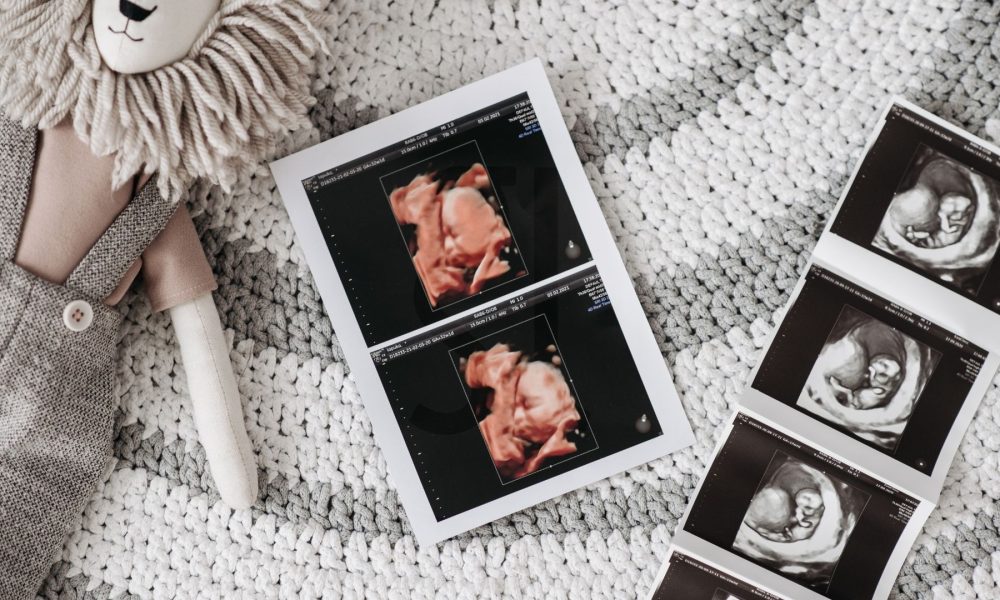
During IVF, avoid heavy exercise, high-impact activity, alcohol, smoking, unprescribed supplements, and strong perfumes near egg retrieval; follow your clinic's medication schedule closely. Moderate activity, balanced eating, and normal light housework are generally safe unless your doctor advises otherwise.
Starting IVF brings a flood of advice — from your clinical team, from forums, from well-meaning friends who “read something once.” Some of it is genuinely important. Some of it is myth that creates unnecessary anxiety at an already stressful time. Knowing the difference helps you focus your energy where it actually matters: on your health, your medication schedule, and giving your treatment cycle the best possible chance of success.
Here is a practical, evidence-based guide to what to avoid during IVF, what you can safely continue, and why some clinic instructions — like avoiding perfume before egg retrieval — exist for reasons that have nothing to do with superstition.
What to Avoid During Ovarian Stimulation
During the stimulation phase, your ovaries are growing multiple follicles under the influence of hormone injections. Your body is working hard, and a few adjustments genuinely reduce risk and improve comfort.
Heavy Exercise and High-Impact Activity
As follicles develop, your ovaries increase significantly in size and become heavier and more fragile than usual. Running, jumping, heavy weightlifting, or high-intensity interval training raises the risk of ovarian torsion (a painful twisting of the ovary) and can be uncomfortable. Walking, gentle stretching, and light yoga are generally fine and can help with stress — but ask your care team before continuing any intense fitness routine.
Alcohol and Smoking
Both alcohol and tobacco are linked to lower egg and sperm quality, reduced implantation rates, and higher miscarriage risk. Alcohol should be avoided from the start of stimulation through the pregnancy test, and ideally for several months beforehand for both partners. Smoking cessation matters even more — it affects egg reserve, sperm DNA integrity, and uterine blood flow.
Unapproved Supplements and Herbal Remedies
“Natural” doesn’t mean risk-free. Certain herbal supplements — including high-dose vitamin E, St. John’s Wort, and some fertility “boosting” blends — can interact with hormone medications or affect bleeding and clotting. Always disclose every supplement to your fertility team before starting stimulation, and only take what has been specifically recommended (commonly folic acid, vitamin D, and sometimes CoQ10 or a prenatal multivitamin).
Saunas, Hot Tubs, and Very Hot Baths
Prolonged exposure to high heat can affect sperm production in male partners and, while evidence on ovarian effects is less definitive, most clinics recommend avoiding saunas, hot tubs, and long hot baths during stimulation as a precaution. A normal warm shower is not a concern.
Medication Timing: The One Thing You Cannot Be Casual About
Unlike diet or exercise, medication timing is not an area for flexibility. IVF stimulation and trigger injections are timed precisely against your follicle development, monitored through blood tests and ultrasounds.
- Set alarms for every injection, ideally at the same time each day.
- The trigger shot must be administered at the exact time your clinic specifies — egg retrieval is scheduled around it to the hour.
- Never skip or adjust doses without speaking to your nurse or physician first, even if you feel fine or experience side effects.
- Keep medications properly stored — some require refrigeration, which matters especially when traveling for treatment.
If you’re unsure about a dose or missed a window, call your clinic immediately rather than guessing.
Diet Do’s During Treatment
Nutrition won’t make or break an IVF cycle on its own, but a few habits genuinely support the process:
- Stay well hydrated, especially during stimulation, as this supports overall comfort and circulation.
- Increase protein intake slightly in the days around egg retrieval — some evidence suggests this may help reduce the risk of ovarian hyperstimulation syndrome (OHSS).
- Eat balanced, whole-food meals rather than restrictive diets — this is not the time to start an aggressive weight-loss plan.
- Limit caffeine to a moderate amount (generally under 200mg per day, roughly one to two cups of coffee).
- Watch for OHSS symptoms — bloating, rapid weight gain, or abdominal pain — and report them promptly; your diet may need temporary adjustment.
Why Some Clinics Advise Avoiding Perfume and Scented Products
This is one of the most misunderstood instructions in IVF — and it deserves a clear explanation rather than a vague warning.
The real reason has nothing to do with “toxins” entering your bloodstream through your skin. It’s about air quality inside the embryology laboratory. Embryos are cultured outside the body in incubators that maintain extremely precise conditions — temperature, gas concentration, humidity, and air purity are all tightly controlled because early embryos are highly sensitive to volatile organic compounds (VOCs). Fragrances, deodorants, hairspray, and strong lotions release VOCs that can linger in the air and, in a laboratory setting, potentially affect the delicate culture environment during egg retrieval and embryo handling.
This is why the guidance applies mainly on the day of egg retrieval and embryo transfer — the days you are physically in or near the lab and treatment areas — not to your entire stimulation phase. Wearing deodorant during the two weeks of injections at home has no bearing on your outcome; it only matters on lab days. A good, evidence-based rule: skip perfume, cologne, scented deodorant, and strong hair or body products on retrieval and transfer days, and use fragrance-free alternatives instead. This is a genuine lab-safety protocol, not a superstition.
Sex During Treatment
Guidance varies by stage. Many clinics advise abstaining from intercourse for a few days before egg retrieval to avoid the small risk of ovarian torsion from an enlarged, stimulated ovary, and again for a short period after embryo transfer as a precaution, though strong evidence that this improves outcomes is limited. Ask your clinic for their specific recommendation, as protocols differ.
Managing Stress Without Adding to It
Stress does not cause IVF to fail, and you cannot “relax your way” to a positive result — but chronic stress can affect sleep, appetite, and how you cope with the process. What genuinely helps:
- Acupuncture or gentle massage (cleared with your clinic), which many patients find calming.
- Counseling or support groups specific to fertility treatment.
- Mindfulness or breathing exercises during waiting periods, particularly the two-week wait.
- Limiting exposure to fertility forums or statistics that increase anxiety rather than reduce it.
What’s Fine to Continue
Not everything needs to stop. You can generally continue: normal work (adjusted around monitoring appointments), light-to-moderate walking, driving, flying (check with your clinic near retrieval), regular skincare (excluding retinoids, which should be paused), and most day-to-day activities. Over-restricting your life adds stress without adding benefit.
Get Personalized Guidance
Every protocol and every patient is different, and generic advice can only take you so far. If you’re planning treatment or currently mid-cycle and unsure about a specific activity, medication, or product, book a consultation with the GynoLife team in Cyprus. Our fertility specialists will review your individual protocol and give you clear, medically grounded answers — not guesswork.
Considering IVF abroad? Contact GynoLife to discuss your treatment plan and get evidence-based guidance tailored to your cycle from day one.
Frequently Asked Questions
Can I exercise during IVF stimulation?
Why should I avoid perfume before egg retrieval?
Is alcohol or caffeine safe during IVF treatment?
Surrogacy and IVF in Cyprus: Legal.
Understanding Surrogacy in the Context of Fertility Treatment Surrogacy is an arrangement in which a woman carries and delivers a.
Read More What Is IVF? A Simple Step-by-Step.
Learn what IVF (in vitro fertilization) is and how it works, step by step: stimulation, egg retrieval, fertilisation, embryo transfer,.
Read More


