

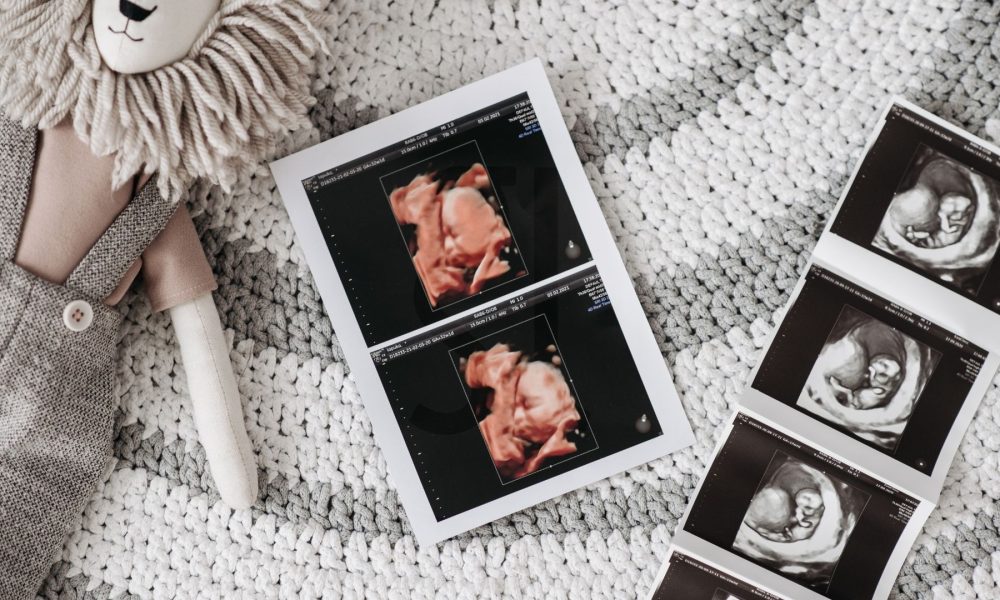
IVF's success traces to decades of animal fertility research in the 1930s-1950s, followed by the breakthrough partnership of Robert Edwards, Patrick Steptoe, and Jean Purdy, whose combined work in laboratory embryology and laparoscopic egg retrieval led to Louise Brown's birth in 1978 as the world's first IVF baby.
The Early Research Behind IVF
In vitro fertilization did not appear overnight. It grew out of decades of reproductive science that began in the early twentieth century, when researchers first tried to understand how eggs and sperm could be fertilized outside the human body. Scientists spent the 1930s, 1940s, and 1950s studying fertilization in rabbits, mice, and other animals, slowly working out the biology of egg maturation, sperm capacitation, and embryo development. This animal research laid the scientific groundwork that would eventually make human IVF possible, but for years, applying these findings to people remained a distant and controversial goal.
Robert Edwards, Patrick Steptoe, and the First IVF Baby
The breakthrough came through the partnership of two British specialists: Robert Edwards, a physiologist who had spent years studying human egg maturation and fertilization in the laboratory, and Patrick Steptoe, a gynecologist and pioneer of laparoscopic surgery who could safely retrieve eggs directly from a woman’s ovaries. Working together from the late 1960s onward, with essential contributions from embryologist and nurse Jean Purdy, the team endured years of failed attempts and skepticism from parts of the medical community before achieving success.
On July 25, 1978, Louise Brown was born in Oldham, England, becoming the world’s first baby conceived through in vitro fertilization. Her birth was a global sensation, widely reported as the arrival of the first “test-tube baby,” and it proved that fertilization outside the human body could lead to a healthy pregnancy and a healthy child. Louise Brown’s birth marked the true beginning of clinical IVF as a treatment for infertility, rather than a laboratory experiment.
The 2010 Nobel Prize in Physiology or Medicine
More than three decades later, in 2010, Robert Edwards was awarded the Nobel Prize in Physiology or Medicine for the development of in vitro fertilization. The Nobel committee recognized IVF as one of the most significant medical advances of the twentieth century, one that has since helped millions of people worldwide build their families. Patrick Steptoe, who had died in 1988, could not share in the honor, since the Nobel Prize is not awarded posthumously, but his surgical innovations remain central to the story of IVF’s founding.
Key Milestones That Transformed IVF
Since 1978, IVF has evolved from a single, hard-won success into a refined, technology-driven field of medicine. Several milestones stand out as turning points.
Intracytoplasmic Sperm Injection (ICSI), 1992
Before the early 1990s, severe male-factor infertility was one of the most difficult barriers to overcome. That changed with the introduction of ICSI, a technique in which a single sperm is injected directly into an egg to achieve fertilization. This innovation opened IVF to couples affected by low sperm count, poor sperm motility, or other male fertility issues that had previously made conception through IVF extremely difficult.
Blastocyst Culture
Early IVF procedures typically transferred embryos back into the uterus just two or three days after fertilization. As laboratory culture media improved, embryologists became able to grow embryos for five or six days, to the blastocyst stage. Blastocyst culture allows embryologists to observe embryo development for longer and select embryos with greater developmental potential, improving the odds of a successful pregnancy.
Embryo Freezing and Vitrification
The ability to freeze embryos for future use was another major advance, allowing patients to preserve extra embryos from a single IVF cycle rather than discarding them. Early freezing methods relied on slow-freezing techniques. Over time, these were largely replaced by vitrification, an ultra-rapid freezing process that prevents the formation of damaging ice crystals. Vitrification dramatically improved embryo survival rates after thawing and made frozen embryo transfer a reliable, widely used option in fertility treatment.
Preimplantation Genetic Testing (PGT)
First developed in the early 1990s, preimplantation genetic testing allows embryologists to screen embryos for chromosomal abnormalities or specific inherited genetic conditions before transfer. This technology has given patients, particularly those with a family history of genetic disease or recurrent pregnancy loss, more information to guide embryo selection.
Time-Lapse Embryo Imaging
More recently, time-lapse incubators equipped with built-in cameras have allowed embryologists to monitor embryo development continuously, without removing embryos from stable incubation conditions to check on them under a microscope. This continuous observation gives clinics additional data on how embryos divide and develop, supporting more informed embryo selection.
Egg Freezing
Advances in vitrification also transformed oocyte, or egg, freezing. What was once considered an experimental procedure became a reliable option for preserving fertility, whether for medical reasons, such as before cancer treatment, or for personal and career-related family planning. Egg freezing is now a well-established part of modern reproductive medicine.
Single Embryo Transfer
In the early years of IVF, clinics often transferred multiple embryos at once to improve the chance of pregnancy, which also increased the likelihood of twins or higher-order multiples and the health risks associated with multiple pregnancies. As embryo selection techniques and culture methods improved, many clinics moved toward single embryo transfer as a way to support healthy singleton pregnancies while maintaining strong success rates.
How Success Rates and Safety Improved Over the Decades
Each of these milestones built on the last. Better culture media, more precise laboratory techniques, improved embryo selection tools, and refined freezing methods have collectively made IVF a far more predictable and successful procedure than it was in 1978. Protocols for ovarian stimulation have also become more individualized, helping reduce risks such as ovarian hyperstimulation syndrome, while advances in embryology have reduced the reliance on transferring multiple embryos to achieve a pregnancy. What began as an experimental procedure available at a single clinic is now practiced in fertility centers around the world, supported by decades of published research and continual refinement.
Where IVF Stands Today
Nearly fifty years after Louise Brown’s birth, IVF has become a well-established, extensively studied area of reproductive medicine. Modern fertility clinics combine the foundational techniques pioneered by Edwards, Steptoe, and Purdy with continually improving laboratory science, embryology, and patient care protocols. At GynoLife IVF in Cyprus, our team draws on this decades-long history of innovation to support international patients throughout their fertility journey, using established, evidence-based techniques within a modern clinical setting.
If you are exploring your options and want to understand which IVF techniques may be right for your situation, our team is here to help. Book a consultation with GynoLife IVF to discuss your fertility journey with an experienced specialist.
Frequently Asked Questions
Who was the first IVF baby ever born?
Who invented IVF and why is it important?
How has IVF technology changed since the first test-tube baby?
What Is a Blighted Ovum (Anembryonic.
What is a blighted ovum (anembryonic pregnancy), what causes it, how is it recognised and what does it mean in.
Read More Fertility Supplements: What the Evidence Really.
Fertility Supplements: An Honest Look at What the Evidence Really Says Walk into any pharmacy or scroll through social media,.
Read More


