

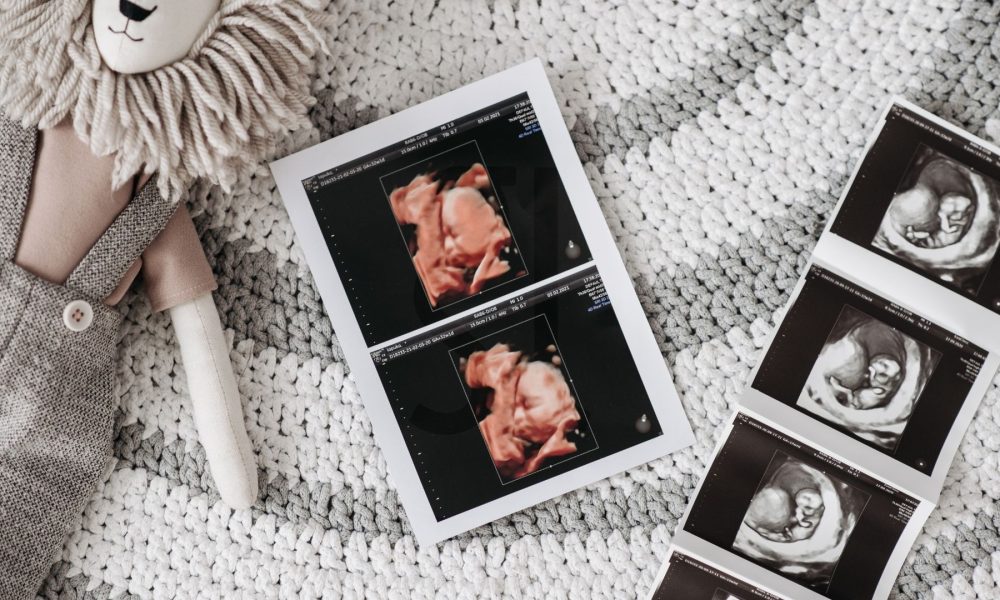
Donor egg IVF uses eggs from a screened, healthy donor fertilized with partner or donor sperm, then transferred as an embryo to the intended mother or a carrier. It's recommended for diminished ovarian reserve, premature ovarian insufficiency, repeated IVF failure from poor egg quality, inheritable genetic conditions, or age-related egg decline.
Being told your own eggs are unlikely to lead to a pregnancy is one of the hardest moments in a fertility journey — but it is often not the end of the road to parenthood. Donor egg IVF, and its variant double donor IVF, have helped many people build families when egg quality, ovarian reserve, age, or genetic risk make using one’s own eggs unrealistic. If you’re researching donor egg IVF, you likely want to know how donors are selected, what age limits apply, whether donation is anonymous, and what treatment actually involves. This guide covers each of these honestly, without guarantees or exaggerated promises.
What Is Donor Egg IVF?
Donor egg IVF is a form of in vitro fertilization in which eggs from a screened, healthy donor are fertilized with sperm from the intended father or a sperm donor, and the resulting embryo is transferred into the intended mother’s or a gestational carrier’s uterus. Because the egg comes from a donor, the resulting child will not share the recipient’s genetic material, though the person carrying the pregnancy still experiences pregnancy, birth, and breastfeeding if they carry the child themselves.
Donor egg IVF is typically recommended for patients with diminished ovarian reserve, premature ovarian insufficiency, repeated IVF failures linked to poor egg quality, genetic conditions carriers do not wish to pass on, or age-related decline in egg quality. It is also an option for same-sex male couples and single intended fathers who need both an egg donor and a gestational carrier.
What Is Double Donor IVF?
Double donor IVF uses both a donor egg and donor sperm to create the embryo, rather than gametes from either intended parent. The embryo is then transferred to the intended mother or a gestational carrier.
Who Considers Double Donor IVF?
This path is usually considered by:
- Couples where both partners face infertility factors — for example, low ovarian reserve combined with severe male factor infertility or azoospermia.
- Single women or single men who need both gametes to build a family, sometimes with a gestational carrier.
- Same-sex female couples who want to avoid using either partner’s gametes for personal, medical, or genetic reasons.
- Patients who, after thorough investigation following multiple unsuccessful IVF cycles, are advised that both egg and sperm quality are limiting factors.
Double donor IVF does not offer higher success guarantees than single-donor treatment — outcomes still depend on uterine environment, embryo quality, and individual health, which is why a full diagnostic work-up matters.
Egg Donor Age Limits and Screening
Age Limits
Most reputable fertility programs, including clinics operating in Cyprus, restrict egg donors to a defined age range — typically from the early twenties up to around 30 to 32 — because egg quantity and quality decline with age, and younger donors are statistically associated with better embryo development. Exact cut-offs vary by clinic and by national or regional regulation, so confirm the specific age policy with any clinic you evaluate rather than assuming one European-wide standard.
Recipients may also face an upper age limit for embryo transfer, generally set for medical safety reasons related to pregnancy risk at older maternal age. This limit, too, varies by clinic and jurisdiction.
Medical and Genetic Screening
Legitimate donor programs put candidates through a multi-step screening process before acceptance, which usually includes:
- Personal and family medical history, plus psychological evaluation.
- Infectious disease testing, per recognized reproductive medicine standards.
- Karyotyping and, often, expanded carrier screening for inheritable conditions.
- Hormonal and ultrasound assessment of ovarian reserve.
No screening protocol eliminates every risk, and no clinic can honestly promise a specific outcome — screening reduces risk and improves the odds of a healthy pregnancy, not guarantees one.
Anonymous vs Non-Anonymous Egg Donation in Europe
One of the most important — and most misunderstood — aspects of donor conception is whether donation is anonymous or non-anonymous (open-identity donation). This is not a matter of clinic preference; it is set by national law, and the rules differ across Europe.
- Anonymous donation means the donor’s identity is not disclosed to recipients or to any child born from the donation, and vice versa. This model is used in several European countries, including Cyprus, Spain, Greece, and the Czech Republic.
- Non-anonymous (open-identity) donation means a donor-conceived person can, usually as an adult, request identifying information about the donor. Countries such as the United Kingdom, Sweden, Norway, Finland, the Netherlands, and Portugal have adopted this model by law.
How Anonymity Works in Cyprus
Cyprus operates under a legal framework in which egg donation is generally anonymous, meaning donor identity is protected and not shared with recipients or donor-conceived individuals. Clinics still maintain donor medical and genetic records for safety, even though identifying details are not released. Because reproductive law can be amended, ask your clinic directly for its current, written policy on donor anonymity and record-keeping before starting a cycle — do not rely solely on general information found online, including this article.
If donor anonymity, or the lack of it, is important to your family, raise this directly with the clinic during your initial consultation, since not every clinic or country can accommodate both the anonymous and non-anonymous models.
The Donor Egg IVF Treatment Journey
While every case is individualized, a typical donor egg IVF journey follows these broad stages:
- Consultation and diagnostics: Medical history, hormonal testing, uterine assessment, and discussion of whether donor egg, double donor, or another path is appropriate.
- Donor matching: Selection based on physical characteristics, blood type compatibility, and screening results, following the clinic’s matching process.
- Synchronization: The donor undergoes ovarian stimulation while the recipient’s uterine lining is prepared with hormonal medication, or frozen donor eggs or embryos are used instead.
- Egg retrieval and fertilization: Donor eggs are fertilized in the laboratory with sperm from the intended father or a sperm donor, using standard IVF or ICSI.
- Embryo culture and transfer: Embryos are cultured, and one embryo — occasionally more, depending on clinical guidance — is selected for transfer.
- Pregnancy test and follow-up: Roughly two weeks after transfer, with continued monitoring if positive.
Recovery time, medication protocols, and the number of cycles needed vary from patient to patient, and no clinic can ethically promise a guaranteed pregnancy.
Frequently Asked Questions
Is donor egg IVF the same as adoption?
No. The intended mother (or gestational carrier) carries the pregnancy and gives birth, and the intended parents are the legal parents from birth in most jurisdictions, subject to local law.
Can we choose the donor’s physical characteristics?
Most programs allow matching on general physical traits and blood type, but this is about reasonable compatibility, not custom selection of every characteristic — and gender selection is not offered for non-medical reasons.
Does double donor IVF cost more than single donor IVF?
Costs depend on the specific protocols, donor program, and number of cycles required, and vary by clinic — ask for a detailed, itemized quote rather than relying on general estimates.
If you are weighing donor egg or double donor IVF and want a clear, honest picture of whether it fits your situation — including how donor matching and anonymity work in Nicosia, Cyprus — the GynoLife IVF team is available for a private consultation, with realistic expectations and no pressure to commit.
Frequently Asked Questions
Will the baby be genetically related to me if I use donor eggs?
Who is a good candidate for donor egg IVF?
What is double donor IVF and how is it different from donor egg IVF?
Egg Retrieval Day: What to Expect.
Egg Retrieval Day: A Calm, Step-by-Step Guide to What Really Happens After days of injections, monitoring appointments, and careful waiting,.
Read More VIP IVF Package in Cyprus: Premium.
Redefining the IVF Experience: GynoLife VIP Fertility Care Fertility treatment is one of the most significant journeys a person or.
Read More


