

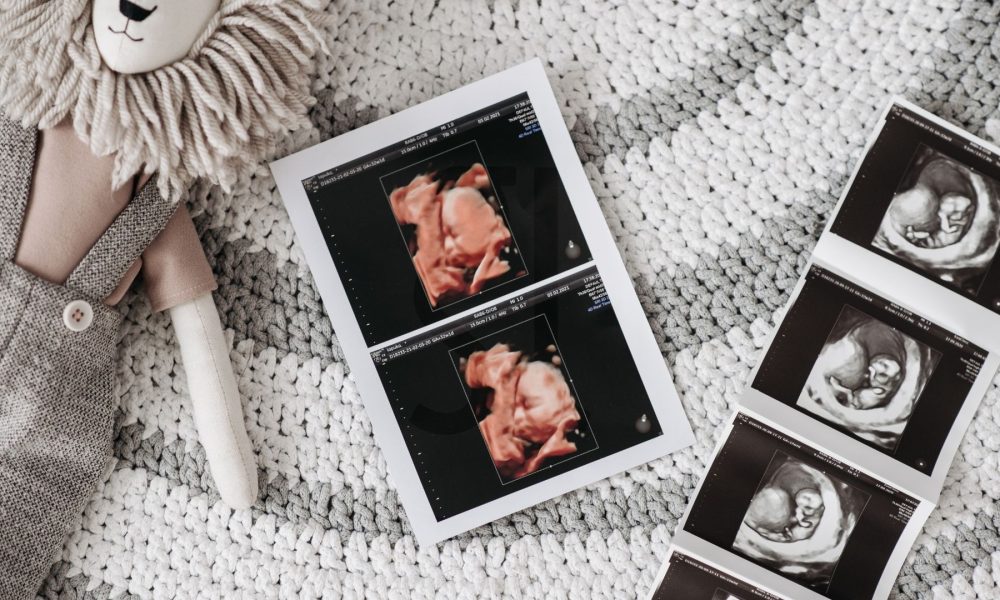
A thin endometrial lining (typically under 7mm on transvaginal ultrasound before embryo transfer) reduces IVF implantation success because the endometrium lacks the thickness, blood flow, and structure needed to support embryo attachment, even when the embryo itself is healthy.
Why the Endometrial Lining Matters in IVF
The endometrium is the tissue lining the inside of the uterus, and it changes throughout the menstrual cycle in response to hormones. In the days before ovulation or before an embryo transfer, estrogen causes this lining to thicken and develop a blood supply capable of supporting an embryo. When a transferred embryo tries to implant, it needs a lining that is thick enough, well vascularized, and structured in a way that allows it to attach and receive nourishment. When the lining stays thin, implantation becomes harder to achieve, even when the embryo itself is healthy. This is why fertility specialists monitor endometrial thickness so closely during IVF cycles, alongside hormone levels and follicle development.
What Counts as a Thin Lining
Endometrial thickness is measured in millimeters using transvaginal ultrasound, usually at the point in the cycle just before ovulation induction or embryo transfer. Most fertility clinics consider a lining below 7 millimeters to be thin, though this threshold varies somewhat between clinics and studies. It is worth noting that thickness alone does not tell the whole story. Some patients with a lining slightly under this threshold still achieve implantation, while others with a thicker lining do not. Pattern, blood flow, and hormonal timing all factor into how receptive the endometrium actually is, which is why your fertility specialist will look at the full picture rather than a single number in isolation.
Common Causes of Thin Endometrial Lining
Low Estrogen Exposure
Estrogen is the primary driver of endometrial growth. If estrogen levels are too low, due to ovarian response issues, certain medication protocols, or hormonal irregularities, the lining may not thicken adequately in time for transfer.
Prior Uterine Surgery or Scarring
Procedures such as dilation and curettage, myomectomy, or repeated uterine surgeries can sometimes lead to intrauterine scarring, a condition known as Asherman syndrome. Scar tissue replaces healthy endometrial tissue and does not respond to hormonal stimulation in the same way, which can result in a persistently thin lining.
Chronic Inflammation or Infection
Conditions such as chronic endometritis, a low grade inflammation of the uterine lining often caused by a persistent bacterial imbalance, have been associated with impaired endometrial development in some studies. The evidence here is still evolving, and not every patient with a thin lining has this condition, but it is one of the factors specialists may investigate.
Poor Uterine Blood Flow
Adequate blood flow to the uterus is necessary to deliver the hormones and nutrients that support endometrial growth. Reduced blood flow, sometimes linked to vascular conditions or prior radiation exposure, can limit how well the lining develops even when hormone levels look normal on paper.
Medications and Other Factors
Long term use of certain medications, including some ovulation induction drugs used in earlier cycles, has been associated with thinner linings in some patients. Age and individual variation also play a role, and in some cases, no clear cause is identified despite thorough investigation.
How Thin Lining Is Diagnosed and Measured
The main diagnostic tool is transvaginal ultrasound, which allows the physician to measure endometrial thickness and assess its pattern, often described as trilaminar or non trilaminar depending on how the layers appear on the scan. Doppler ultrasound may also be used to evaluate blood flow to the uterine arteries and lining itself. If scarring or structural issues are suspected, a hysteroscopy, a procedure that allows direct visualization of the inside of the uterus, may be recommended. Bloodwork to check estrogen and other hormone levels is typically done alongside these imaging steps, since a thin lining is rarely assessed in isolation from the broader hormonal picture.
Treatment Approaches, Explained Honestly
Extended or Adjusted Estrogen Support
For many patients, the first step is adjusting the dose, duration, or route of estrogen supplementation, whether oral, vaginal, or transdermal. Extending the estrogen phase of a cycle sometimes gives the lining more time to develop. Response varies from person to person, and this approach does not work for everyone.
Addressing Scarring Through Hysteroscopy
When scar tissue or adhesions are identified as a likely cause, hysteroscopic surgery to remove that tissue can sometimes improve the lining in subsequent cycles. Outcomes depend heavily on the extent and location of the scarring, and more severe cases of Asherman syndrome can be more difficult to fully resolve.
Measures Aimed at Improving Blood Flow
Some clinics use approaches intended to support uterine blood flow, such as low dose aspirin, vaginal sildenafil, or other adjuncts. It is important to be honest that the evidence supporting many of these interventions is mixed or limited, and they are not universally recommended by fertility societies. Your specialist can walk you through what the current data actually shows before deciding whether any of these are appropriate for your situation.
Freeze All Strategy and Trying Again
When the lining does not reach an adequate thickness in a given cycle, many clinics recommend freezing all embryos rather than proceeding with a fresh transfer, and attempting transfer in a later, better prepared cycle. This avoids transferring into a lining that is unlikely to support implantation, and gives time to try additional preparation strategies.
When the Lining Stays Thin Despite Treatment
For a small number of patients, the lining remains thin despite multiple approaches. In these cases, your specialist may discuss other paths forward, which can include further diagnostic workup to rule out missed causes, or, for some patients, exploring gestational surrogacy as an alternative route to parenthood. These conversations are never easy, and a good fertility team will walk through the options with you honestly rather than rushing the decision.
Frequently Asked Questions
Can a thin lining still result in a successful pregnancy?
Yes, it is possible, and outcomes vary by age and individual factors. A thin lining lowers the statistical likelihood of implantation compared to a well developed lining, but it does not make pregnancy impossible, and many patients with borderline thickness do go on to conceive.
How long does it take to improve endometrial thickness?
This varies widely depending on the underlying cause. Some patients see improvement within one adjusted cycle, while others, particularly those with scarring, may need several months of treatment and monitoring before attempting another transfer.
Is a thin lining a sign of infertility on its own?
Not necessarily. It is one factor among many that affect implantation, and it is usually evaluated alongside egg quality, embryo quality, and overall reproductive health rather than as a standalone diagnosis.
Should I request extra monitoring if I have had a thin lining before?
It is reasonable to discuss this with your fertility specialist. Patients with a history of thin lining often benefit from closer ultrasound monitoring and earlier planning around estrogen protocols in future cycles.
A Note on Moving Forward
A thin endometrial lining can feel like one more obstacle in an already demanding process, but it is a well recognized and actively studied area of fertility medicine, and there are structured ways to investigate and address it. What matters most is working closely with a specialist who takes the time to look at your full history, runs the right diagnostic steps, and explains the honest evidence behind any treatment being considered, rather than offering shortcuts or guarantees that medicine cannot promise.
If you have been told your endometrial lining is thin, or you want a thorough evaluation before your next IVF cycle, the team at GynoLife IVF Center in Cyprus is available to discuss your individual situation and walk you through a personalized diagnostic and treatment plan.
Frequently Asked Questions
What endometrial thickness is considered too thin for embryo transfer?
Can I still get pregnant with a thin uterine lining?
Why does the endometrium need to be thick for IVF to work?
Blastocyst Transfer vs Day 3 Transfer:.
Understanding Embryo Development Stages One of the most important decisions in IVF treatment is when to transfer the embryo back.
Read More Donor Egg & Double Donor IVF:.
Donor egg IVF & double donor IVF explained: egg donor age limits, screening, anonymous vs non-anonymous donation in Europe, and.
Read More


